

Modular Electric Drive Units for Vehicles, Vessels, and Equipment
Mission statement
Collaborating with Drivetrain Experts for Procurement Success
Our unparalleled reliability ensures seamless integration into diverse projects, guaranteeing optimal performance and longevity for your esteemed operations.
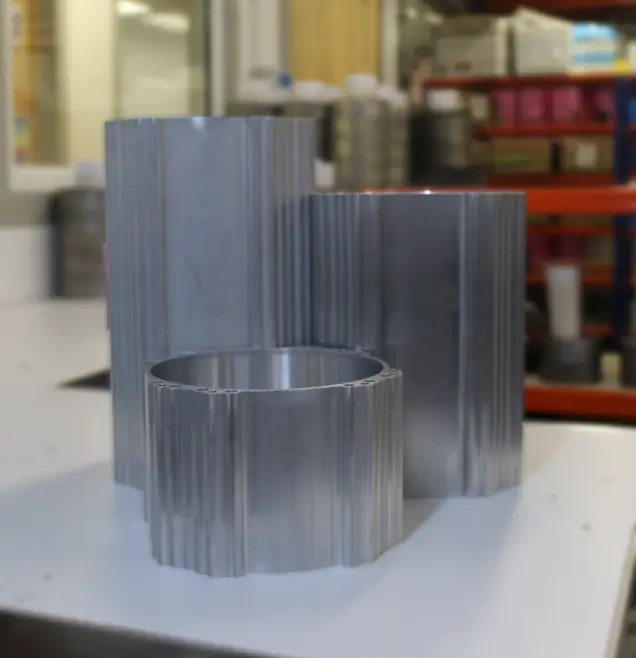
Our unmatched flexibility ensures smooth integration into any project, adapting seamlessly to diverse requirements. With agile solutions tailored to your needs, we guarantee optimal performance and enduring success for your operations.
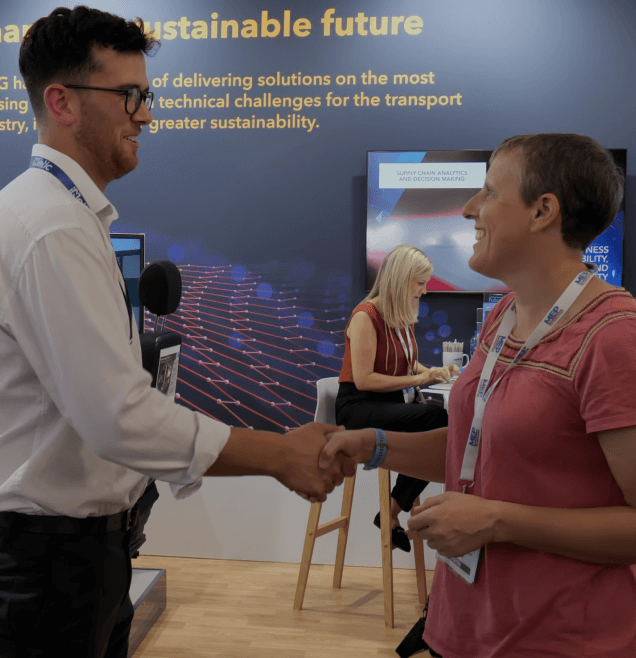
Client satisfaction is paramount. Our customer-centric philosophy means that companies experience personalized attention, streamlined communication, and bespoke solutions.
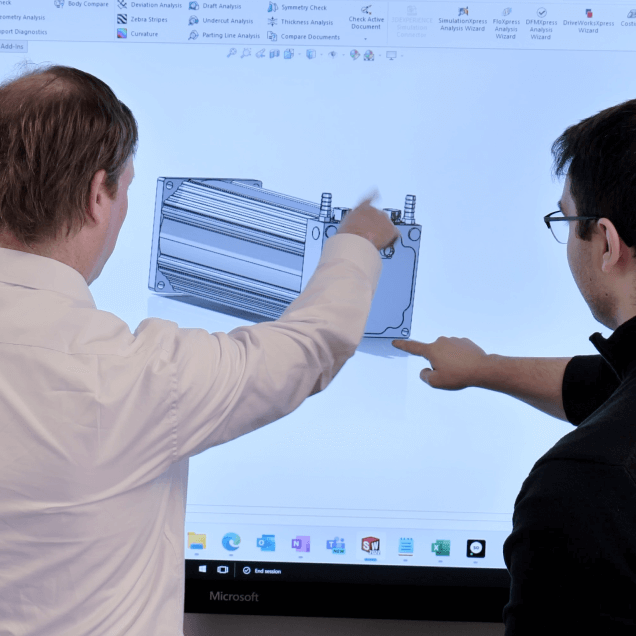
iNetics’ approach to design is inherently focused on manufacturing efficiency, ensuring that every product we create is designed to be produced with precision, cost-effectiveness, and scalability in mind.
We Make Groundbreaking Motor Designs That Set Industry Standards
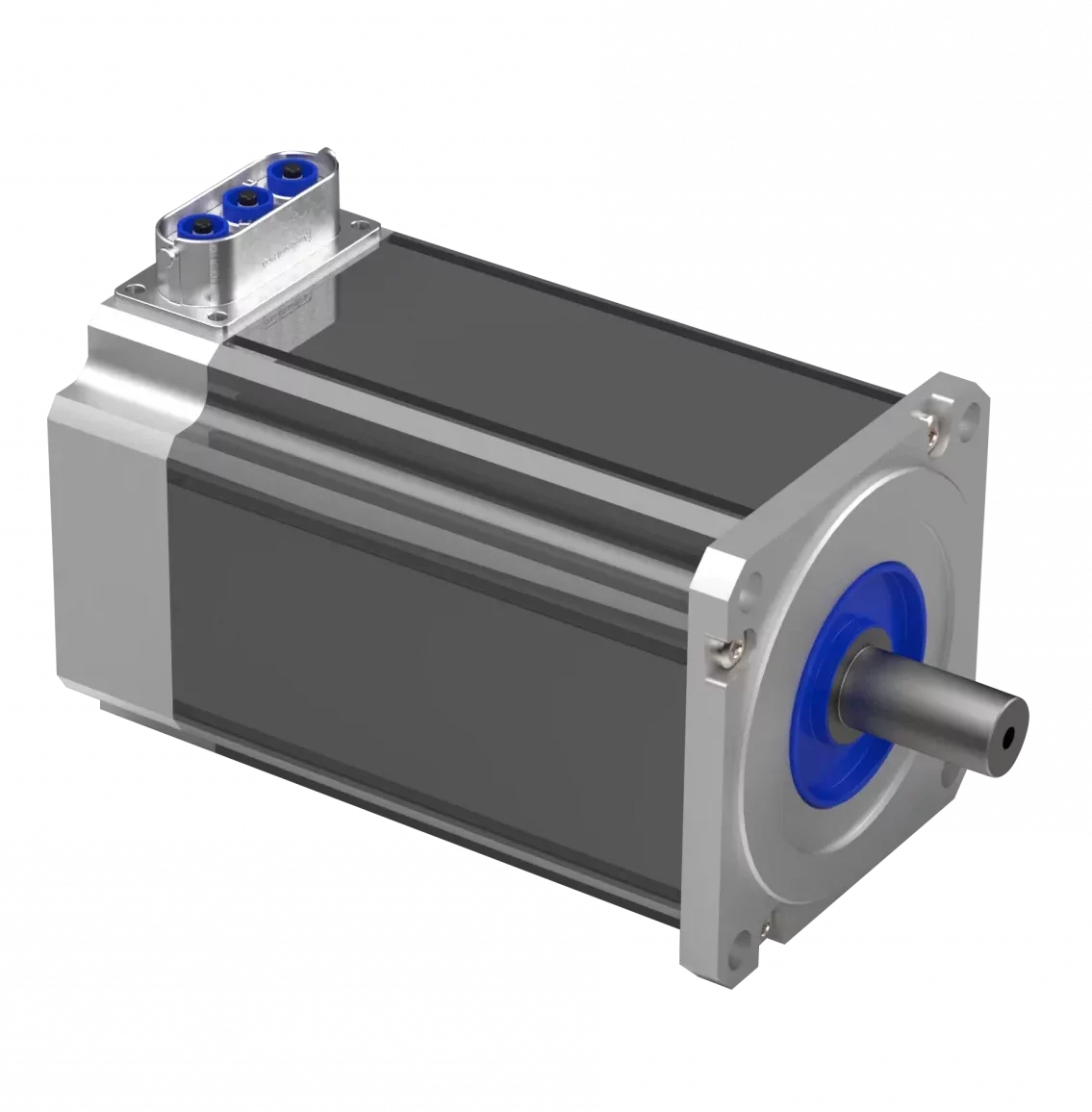
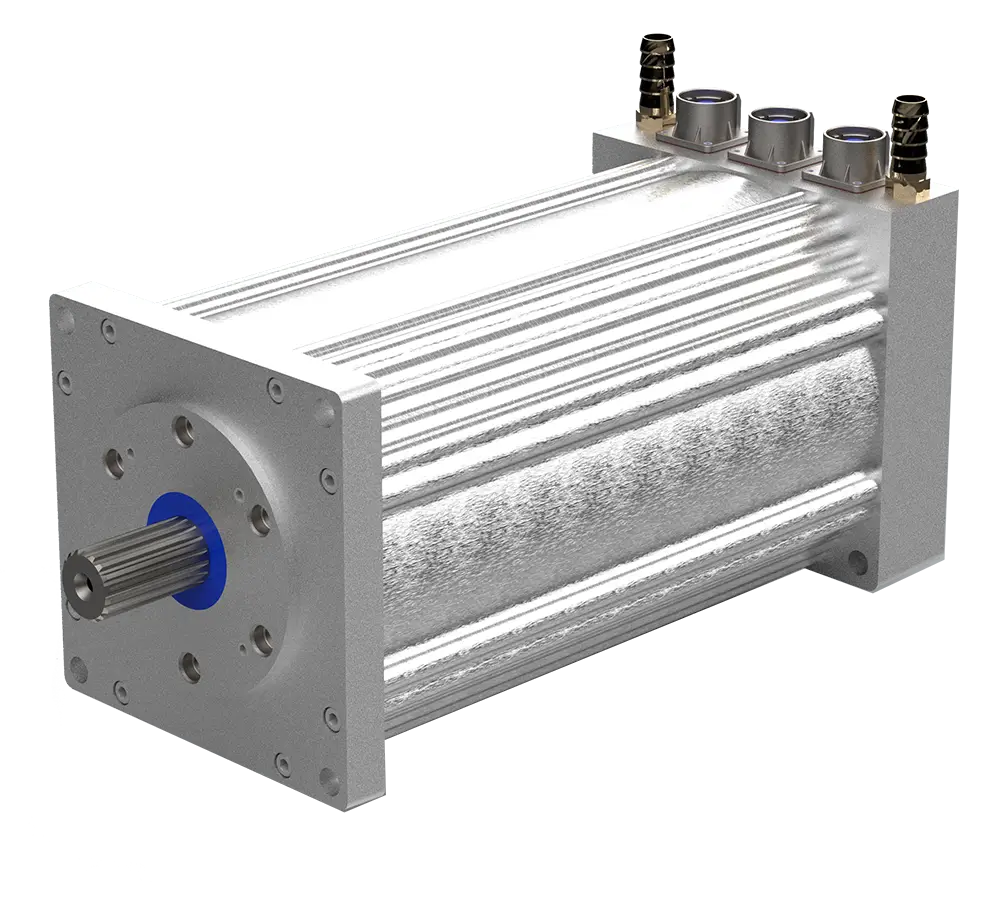
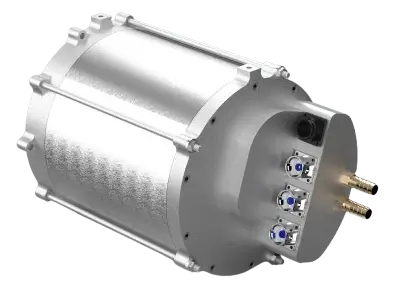
Featured motors available on our shelves
Engineering Insights

Sizing Electric Motors and Batteries for a Municipal Sweeper
Electrifying a municipal sweeper is a different problem than electrifying a passenger car. A sweeper has to drive itself down the road and run a vacuum turbine, a hydraulic pump, and a water system at the same time — often at low speed, for hours, without a break. That combined load is what actually sizes the battery and motors, not top speed. This case study works through the complete power budget for a 4.8-tonne compact electric sweeper: tractive forces at highway speed and on a 30% grade, auxiliary loads from the suction fan and hydraulic aggregate, the battery sizing math those loads drive, and the motor and inverter hardware that covers both jobs.
Electric Drivetrain & E-Axle Validation
What does "traction-ready" really mean for an electric drivetrain? Discover how OEMs validate motors, inverters and e-axles through a structured testing programme covering material qualification, component testing, dynamometer performance, inverter validation and full system testing. Learn why rigorous validation is essential to ensuring EV powertrains deliver reliable, safe and long-lasting performance in real-world conditions.
How iNetic Traction Bridges the Gap Between R&D and Production
In the reception of iNetic’s facility sits a gold-plated stator; the 100,000th produced for a single customer. It is a small object, but it tells you everything about where this company came from. What it does not tell you is where it is going: into the heart of some of the most demanding electric drivetrain development programmes in the world, across sectors from marine to defence, off-highway to automotive. We sat down with Red Blaylock, iNetic’s Traction lead, to find out how a UK electric motor manufacturer with roots in high-volume production has become one of the country’s most versatile engineering partners for the electrification era and why the secret is not the technology, but the way design, manufacturing and test are brought together under one roof.
Electric Drivetrain & E-Axle Validation
What does "traction-ready" really mean for an electric drivetrain? Discover how OEMs validate motors, inverters and e-axles through a structured testing programme covering material qualification, component testing, dynamometer performance, inverter validation and full system testing. Learn why rigorous validation is essential to ensuring EV powertrains deliver reliable, safe and long-lasting performance in real-world conditions.
How iNetic Traction Bridges the Gap Between R&D and Production
In the reception of iNetic’s facility sits a gold-plated stator; the 100,000th produced for a single customer. It is a small object, but it tells you everything about where this company came from. What it does not tell you is where it is going: into the heart of some of the most demanding electric drivetrain development programmes in the world, across sectors from marine to defence, off-highway to automotive. We sat down with Red Blaylock, iNetic’s Traction lead, to find out how a UK electric motor manufacturer with roots in high-volume production has become one of the country’s most versatile engineering partners for the electrification era and why the secret is not the technology, but the way design, manufacturing and test are brought together under one roof.